
Articles
We are committed to making information about mental health and therapy accessible to our community through articles and videos. Our clinicians take your questions and ideas and transform them into bite-size educational content to empower your wellness journey. What will you learn today?


Browse by Category

Anxiety & OCD

Parenting

ADHD

TherapY & Testing

What To Do In An Emotional Crisis
Many of us can recall a time when we’ve felt very intense emotions… one of those moments of emotional “crisis” where we had that terrible, sinking feeling that “this moment will never end.” And in these moments, it feels nearly impossible to do the things that need to be done.
Demystifying DBT's Radical Acceptance Skill
Radical acceptance is a Dialectical Behavior Therapy (DBT) skill designed to keep pain from turning into suffering. Radical Acceptance is tricky because it involves truly accepting reality for what it is. This doesn’t mean liking or approving of reality in certain moments. It does mean doing the opposite of denying reality, such as hyper-focusing on the way things “should” be and always wishing reality was different. By embracing reality rather than rejecting it, you can minimize unnecessary suffering. While pain is a natural and unavoidable occurrence for humans, radical acceptance allows us to keep that pain from becoming suffering.

Can You Be One-Minded?
Looking to increase joy and peace, decrease personal stress, and feel more fulfillment? In DBT, we move toward these valuable goals by using the WHAT and HOW skills. WHAT skills include observing, describing, and participating in the present moment intentionally and in a particular way. HOW skills tell us HOW to use the WHAT skills in a meaningful way. The One Mindfully Skill (a DBT HOW Skill) can support you on this journey.

Non-Judgment for Beginners!
We all make judgments from time to time. Yet, judgments can prompt lots of unhelpful emotions and distract you from dealing with a situation accurately or helpfully. But what exactly is a judgment. A judgment is a statement that takes facts of a situation and adds a personal preference, value, or opinion to it in an objective manner. For example, “The rain is terrible” is a judgment because it is your opinion, and others may feel differently about the situation. “It is raining today. I notice I feel sad when it rains” is a non-judgmental statement that clearly portrays what’s actually happening in the situation.

A Dash of Dialectics
Have you ever thought about how our lives are FILLED with opposites? It snows during spring, someone you love hurts your feelings, or your favorite show makes you cry. Although opposites, both exist and both are true. A “dialectic” is just that - when two opposing things are true at once. Guess what? Our world is filled with them.

Go With The (DBT) Flow
Have you ever experienced the flow state? Spoiler alert: You probably have without even realizing it! Allow me to describe it to you: The flow state is a sense of fluidity between your body and mind. You are totally absorbed and deeply focused on something to the point where distractions don’t phase you. Time feels as though it slowed down. You are fully immersed in what you are doing. Some people describe this feeling as being “in the zone.”

Self-Soothing is Sensational
Self-soothing is a Dialectical Behavioral Therapy (DBT) skill that helps us manage difficult feelings and situations and tolerate things that we cannot change. Self-soothing is a set of techniques that use different senses of the body. And it is critical to wellness!

Getting Unstuck from Sticky Thinking
We all experience cognitive distortions from time to time. But persistent and inaccurate cognitive distortions can lead to prolonged feelings of anxiety and depression. The quality and way we think and talk to ourselves impacts how we see ourselves, others, and the world.

Is Your Child a Budding Perfectionist?
Hard work and high expectations are often rewarded in our society. We can see these traits being praised and rewarded all around us, including at work and in school. So what happens when your child’s hard work and expectations of themself go beyond what is reasonable or helpful? Where do we draw the line between healthy striving and unhelpful perfectionism? How do you support your child when their need to succeed, achieve, and get things “just right” seems to cause them such pain and distress?

Attitude of Gratitude
We’ve all gotten caught up in the whirlwind of living the life of a human. When we get used to living fast paced lives, we can sometimes overlook the small things that make life worth living. Taking a moment to reflect and truly appreciate all the things going well in life is a very valuable practice.

Easy Peasy (Better) Decision Making: Missing Links Analysis
Doing differently isn’t easy. And being told to “just make better choices” is not useful or can be hurtful. Sometimes we need a step-by-step strategy to figure out what went wrong and how to do better next time. In walks Missing Links Analysis.

Resources for Coping with Community Violence and Trauma
We’re all experiencing some level of suffering and sadness after the Texas school shooting and the Highland Park (a Chicago suburb) parade shooting. Beyond these terrible attacks, community violence has been an all too frequent reality in many Chicago neighborhoods.

Life Hack for Joy: Routine
Did you know having a routine does not mean sitting in an office or classroom every day for the same number of hours?! Chances are you have more routine in your life than you realize! Your routine could be trying a new restaurant every week, using your favorite calming lotion before bed, or always having a sweet treat after dinner. A routine can even consist of setting aside time every day to have no routine at all! Whatever your personal routine may be, there is extensive evidence on the correlation between life satisfaction and a routine.

Food + Mindfulness = A Delicious Summer
Mindful eating is simply slowing down and tuning in to the present moment during the process of eating. Below are a few ways one can practice mindful eating.

I’ve Got That Summertime Mindfulness
There’s so much to love about summer- school’s out, camps, more free time, warm weather, hanging with friends, and the list goes on and on! Time seems to fly when you’re having fun doesn’t it? So why practice mindfulness when you’re already feeling so good?
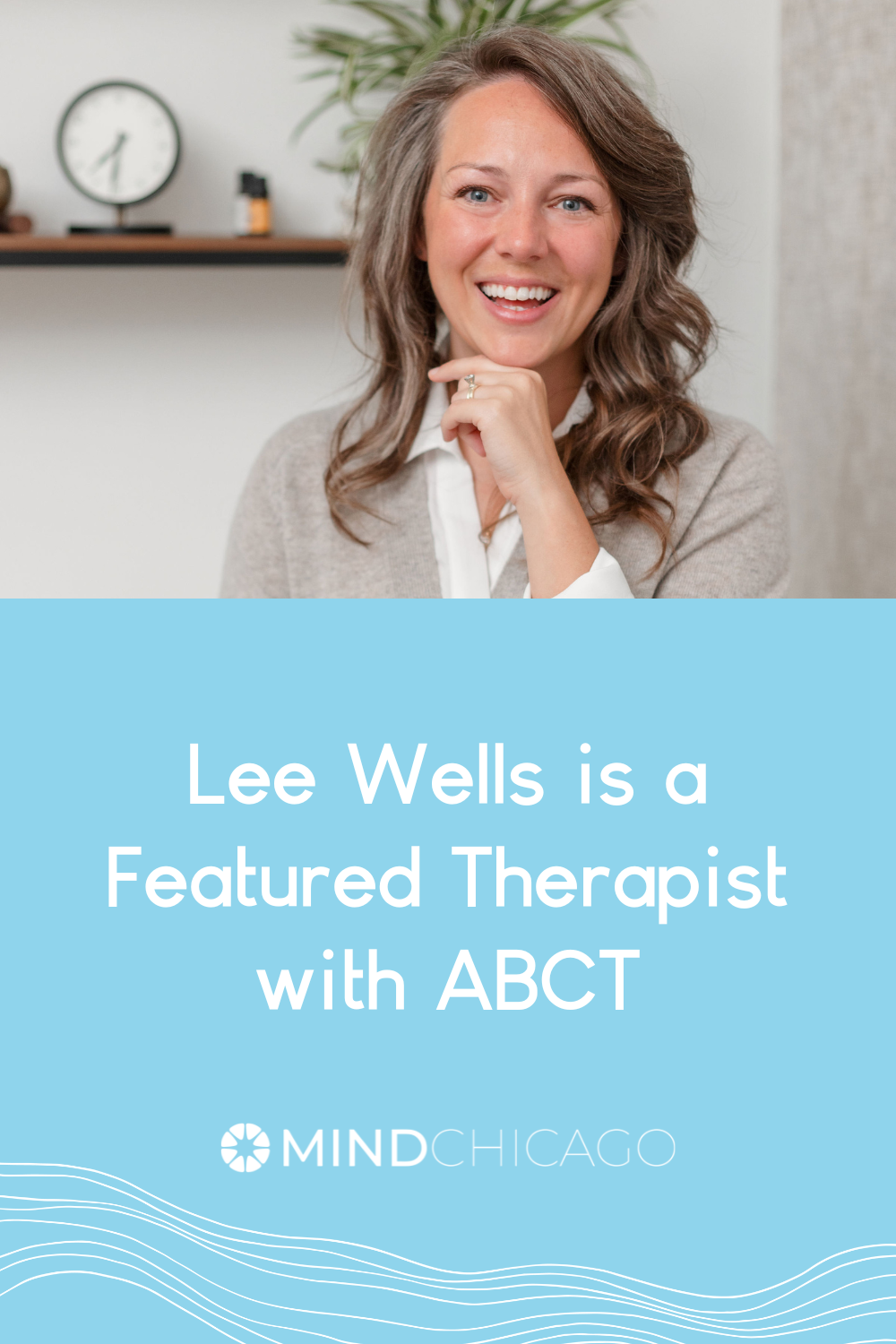
Lee Wells is a Featured Therapist
Congratulations to Mind Chicago’s Co-owner and Clinical Director, Lee Wells, AM, LCSW, for her 2022 spotlight feature with the Association of Behavioral and Cognitive Therapies (ABCT)

Black History Month and Mental Health
Black History Month is a time of year that we can reconnect and recommit to justice in mental wellness, as well as honor and highlight a truthful history.

How Does My Child Learn?
When you start a neuropsychological evaluation at Mind, the first question you will hear is “What do you want to know about your child?”

Find the Fun: Using Improv for a Richer Parent-Child Relationship
From vacations to camping trips, parents are eagerly seeking new and creative ways to reconnect with their children after a challenging year and a half. In fact, some of those families are trying their hand at improv. Yes, you heard right, I said IMPROV! If you instantly recoiled, I understand. Improvisational theatre sounds intimidating. However, I’m going to provide you a simple introductory technique to help you enjoy this fun and meaningful activity and deepen your relationship with your child. But first, let me tell you a little about improv.

What is Mindful Parenting? (And How Can You Get Started Today?!)
As parents, we do our best to respond to our children’s needs - from loving support to setting boundaries. Although we may be doing the best we can, many of us become lost in comparisons, overwhelmed by frustration, and/or consumed with worry (I know I have!). When we are caught up in these thoughts and emotions, we can lose sight of what is happening right in front of us with our child (and ourselves). We step into a reactive space, making choices from a place of strong emotions and persuasive, unhelpful thoughts. We may also make choices from a place of fear, preventing our young people from experiencing the difficult emotions that are necessary for growth, grit, and resilience.